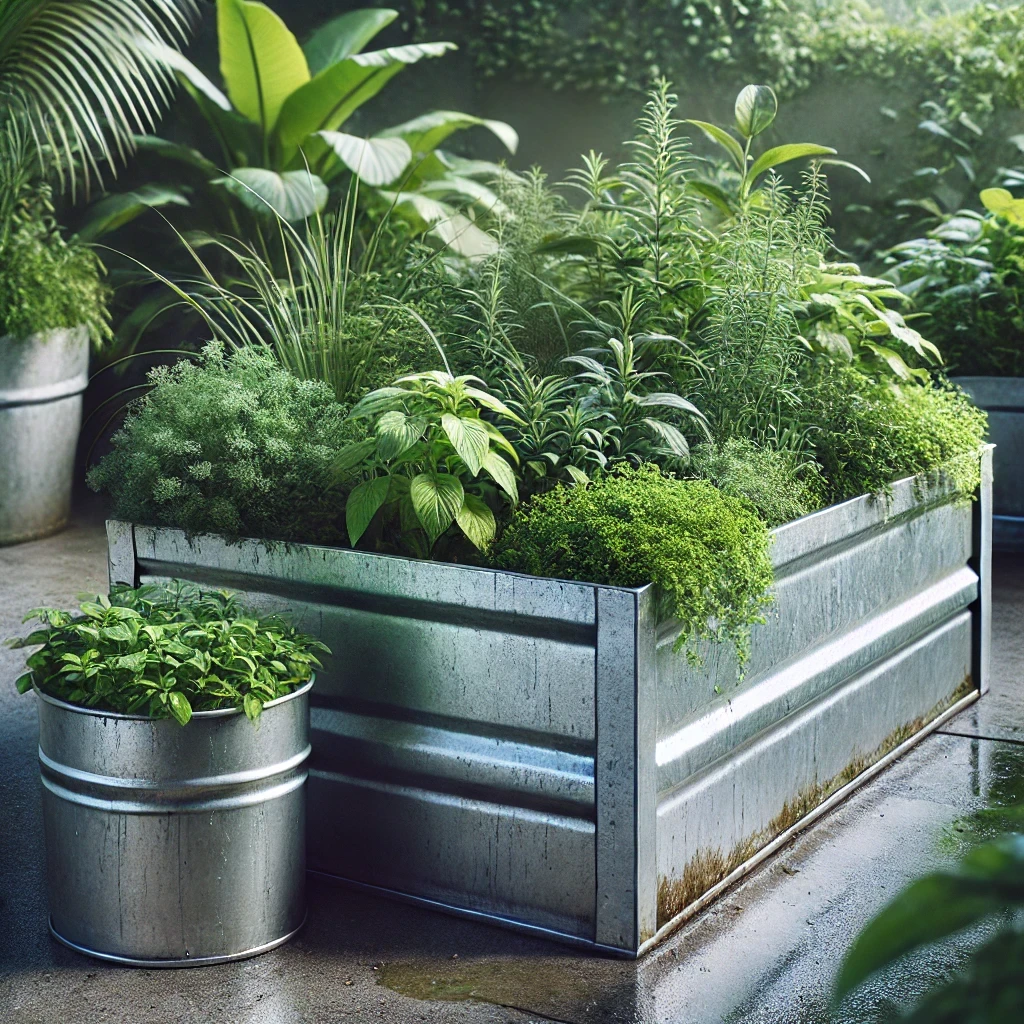
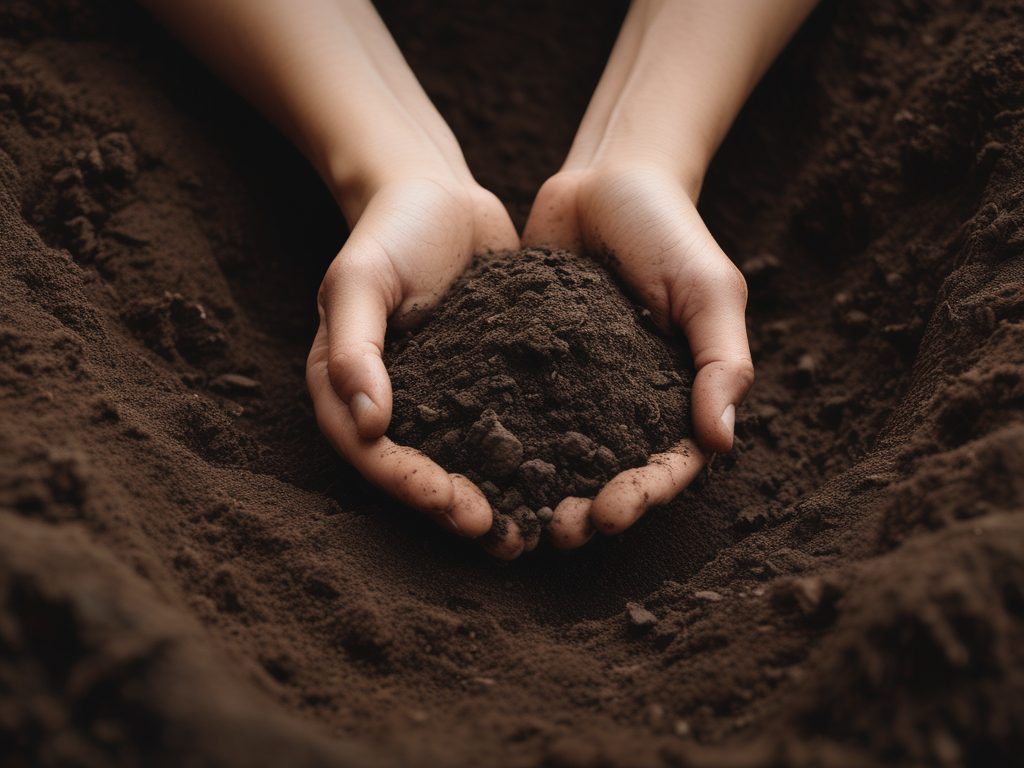
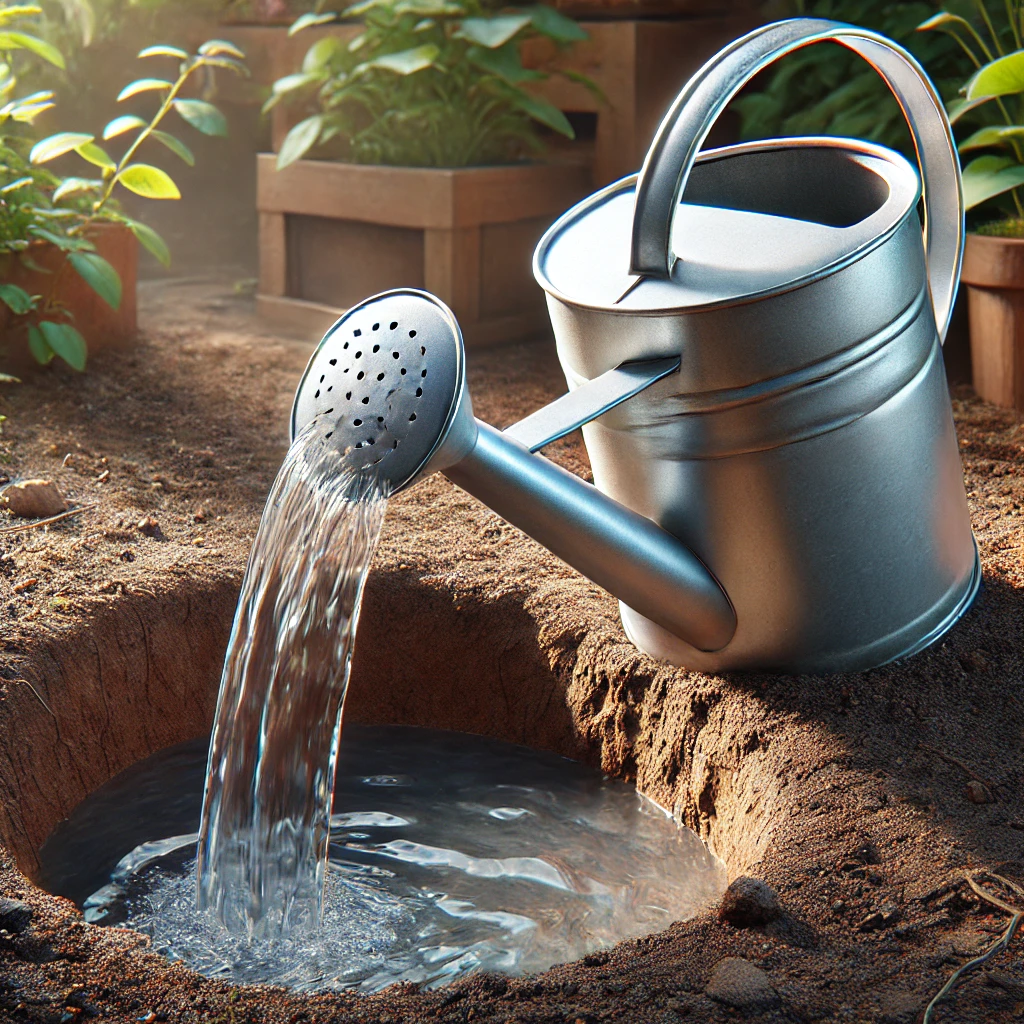
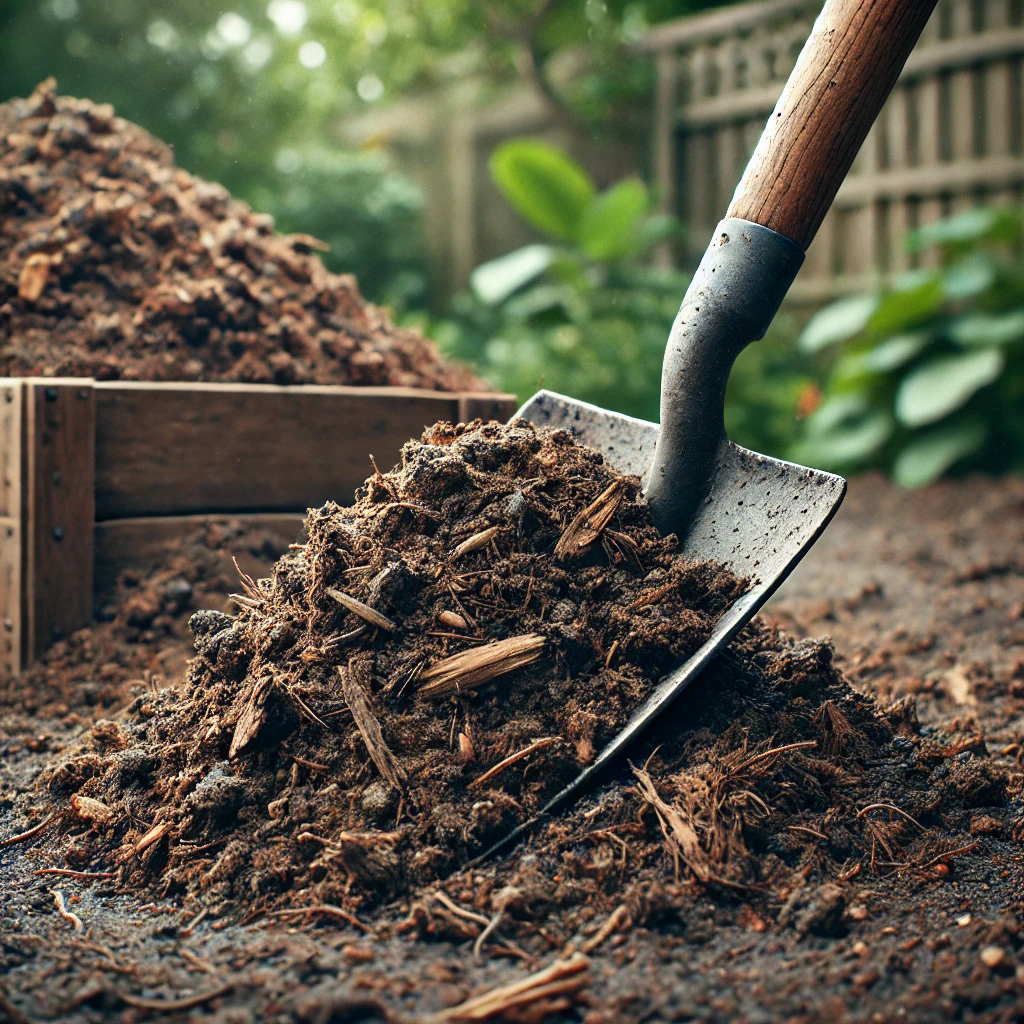
Healthy plant growth depends on much more than sunlight, water, and nutrients. Beneath the surface, the physical arrangement of soil particles and the spaces between them—known as pores—forms the hidden framework that governs whether roots can breathe, drink, and feed effectively. In these microscopic and […]
Category: Soils
Understanding Drainage Differences in Raised Garden Beds vs. Small Containers: Why and How It Matters
Picture this scenario: you’ve just finished reading an article that clearly states, “Putting gravel in the bottom of pots doesn’t improve drainage.” Then you flip to another gardening guide that says, “Before adding soil to your raised bed, line the bottom with coarse gravel or […]
The Dangers of Heavy Metal and Hydrocarbon Soil Contamination on Roadsides and Industrial Sites
Soil along busy roadsides and near industrial sites often is polluted by heavy metals and persistent hydrocarbons that have accumulated there over decades, posing environmental and health risks. This article explores the sources of these contaminants, their behavior in soils, and the dangers they pose […]
What is Nitrogen Drawdown and How Does it Affect Plant Growth?
Nitrogen (N) is a essential plant macronutrient for all plants, serving a multitude of functions that directly influence their growth and development. The nitrogen in the soil, however, doesn’t exist as a single static pool of nutrients fixed in one particular form. Instead, it undergoes […]
What is the Difference Between Compost Worms and Earthworms?
Almost every gardener that has ever done composting has found earthworms in their finished compost. Some gardeners mistakenly think that earthworms that appear in the compost are the same as compost worms because of where they are located. The confusion arises from the misunderstanding of […]
The Vital Role of Soil Aggregates in Plant Health and Soil Fertility
Soil aggregates are clusters of soil particles bound together by a combination of organic and inorganic materials, such as humus, clay, and various minerals. These aggregates range in size from microscopic granules to noticeable lumps and form the foundation of soil structure. The structure of […]
Understanding the Impact of ‘Wet Feet’ on Plants: Causes, Symptoms, and Effective Management Strategies
In gardening, the term “wet feet” refers to a condition where a plant’s roots are subjected to excessive moisture due to poor soil drainage. This situation can lead to various detrimental effects on plant health, particularly for species that prefer well-drained soil. Understanding the causes […]
How to Test and Improve Soil Drainage: Step-by-Step Guide for Gardeners
Maintaining proper soil drainage is vital for gardeners and farmers to ensure optimal plant health and productivity. Understanding how well your soil handles water is essential, as proper drainage prevents issues such as waterlogging, root rot, and the condition known as “wet feet.” “Wet feet” […]
Effective Soil Amendment Methods to Fix Drainage Issues in Sandy and Clay Soils
Improving soil drainage is crucial for maintaining healthy and productive gardens, especially when dealing with sandy or clay soils. Understanding the specific characteristics and drainage challenges of these soil types is essential for selecting the right amendments and techniques. Sandy soils, known for their quick […]
Plants with Deep Tap Roots to Break Up Compacted Clay Soils
Compacted clay soils can pose significant challenges for gardeners and farmers by restricting root growth, reducing aeration, and impeding water infiltration. However, nature provides a solution, as certain plants have evolved deep tap roots that can not only break up the dense soil but also […]
Top Dressing for Lawns: Solving Thatch, Improving Grass Growth, & Ensuring Even Cuts
Lawn top dressing involves applying a thin layer of material, typically a mixture composed of soil, compost, and sand, over the surface of a lawn. This technique is essential for improving soil quality, enhancing the health and appearance of the grass, and addressing various lawn […]
Explaining the Science Behind Non-Battery Soil Moisture Meters
In gardening and agriculture, maintaining the correct soil moisture levels is essential for plant health. Both over-watering and under-watering can harm plants, leading to poor growth or even death. A simple, reliable, and efficient solution for monitoring soil moisture in garden beds and pots is […]
The Do’s and Don’ts of Using Sawdust for Composting, Understanding Risks and Environmental Impact
The amazing thing about composting is that we can take waste materials that were once living and recycle them to enrich the soil and provide nutrients for plant growth. Among the diverse range of materials that can be composted, sawdust often finds its way into […]
A Comprehensive Guide to Composting Palm Fronds Using Methods That Really Work
Palms are monocot trees from the Arecaceae (or Palmae) family with tall, unbranched, columnar trunks and a canopy of large pinnate (feather-like in appearance) or palmate (resembling the palm of a hand) compound leaves, known as palm fronds. An unusual anatomical characteristics of palm trees […]
Can Coffee Grounds Be Used as a Fertiliser in the Garden?
Coffee is one of the most widely consumed beverages in the world, with an estimated global consumption of 2.25 billion cups of coffee per day in 2022. That translates to approximately 2.5 billion kilograms (5.5 billion pounds) of coffee beans a year! Using ground coffee […]
What Are the Best Ways to Increase Beneficial Mycorrhizal Fungi in the Soil?
Mycorrhizal fungi are beneficial fungi that live in close symbiotic association with the roots of most plants and trees. In this association, the plant provides the mycorrhizal fungi with sugars produced by photosynthesis. In return, the mycorrhizal fungi extend their network of long, threadlike filaments […]
What are Mycorrhizal Fungi and How Do They Benefit Plants and Trees?
What are Mycorrhizal Fungi? Mycorrhizal fungi are a type of fungi that have evolved to live in close association with the roots of most plants and trees, in a symbiotic relationship where both benefit from each other. This connection is described as mutualistic association. The […]
Lead Contamination in Soils and How to Treat It
Lead is a toxic heavy metal that poses a significant risk to humans, wildlife and natural habitats, as heavy metals are not degraded in the environment and consequently accumulate in soils. The lead-contamination of soil and its circulation in the soil–plant–animal–human biological food chain can […]
Why Herbicide Use is Not Compatible with Healthy Soils
Herbicide use is very common in mainstream agriculture. Despite the documented environmental harm caused by herbicides, and the findings by the World Health Organisation (WHO) International Agency on Research on Cancer (IARC) that glyphosate (Roundup) causes cancer, herbicide use remains rampant and unabated! In 2020 […]
Seven Good Reasons Why You Should Mulch Your Garden!
If we look at a healthy natural environment that hasn’t been damaged or subjected to human disturbance, we find that nature goes to some effort to protect the soil, which is not ‘dirt’, but a complex living ecosystem, known as the soil-food web. Layers of natural […]
What is Soil Cation Exchange Capacity (CEC)?
The soil cation exchange capacity (CEC) is the ability of soils to bind and store a particular group of nutrients by electrical attraction, those that form positively charged cations, such as calcium (Ca2+), magnesium (Mg2+), potassium (K+), and nitrogen in the form of ammonium (NH4+). […]
Three Useful Herbs Which Can Be Used as Natural Compost Activators and Much More
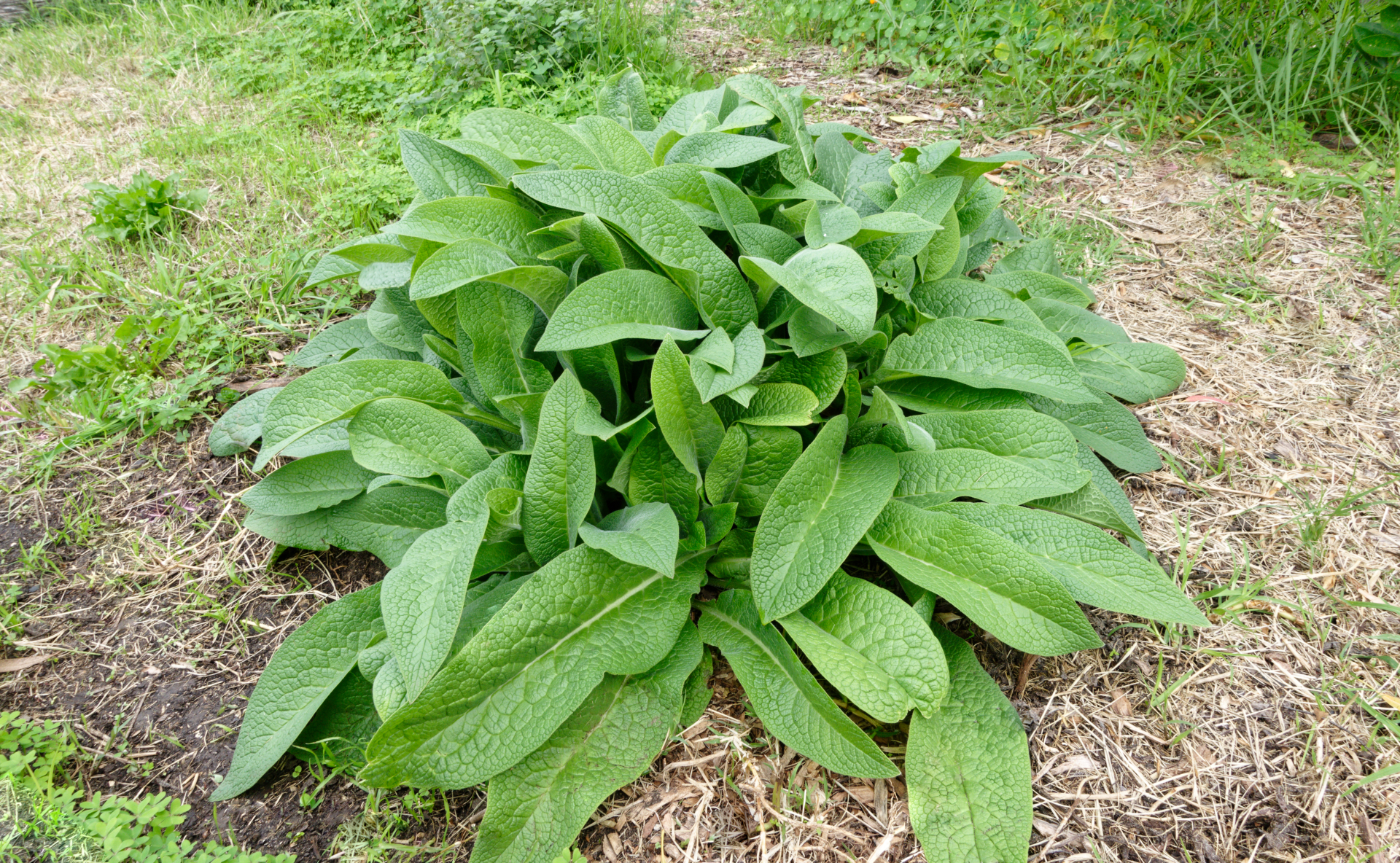
Comfrey, nettles and yarrow are herbs that are dynamic accumulators, plants capable of concentrating nutrients at much higher levels than the surrounding soil. When added to compost, these herbs break down, releasing their concentrated nutrients, helping initiate the composting process in a new compost pile, […]
Can Biodegradable Foam Packing Peanuts Be Composted?
Foam packing peanuts are a lightweight packing material which is used to fill the empty space in boxes and containers, to cushion the contents and protect them from damage during shipping. They’re a welcome addition in freight packaging for the additional protection they provide, but […]
The Definitive Guide on How to Compost Everything from the Garden and Kitchen
Just about everything can be composted using cold (slow) composting, hot (fast) composting, worm farms (vermicomposting), bokashi composting and Hügelkultur composting. The table in this article lists how to compost just about every garden and kitchen material that can be recycled, and which composting systems […]
What Are the Little White Insects Floating in Worm Farm Liquid?
Everyone gardener with a worm farm has probably seen little white insects wriggling around on the surface of the liquid that drains out of the drainage tap at one time or another. Many gardeners wonder what they are, whether they’re harmful, and if it’s safe […]
Why You Shouldn’t Fertilise Gardens in Winter in Cool and Temperate Climates
For adequate plant nutrition, gardens should be fed with fertiliser twice a year at the very minimum. Once at the start of spring (September in the southern hemisphere, March in the northern hemisphere) for warm season crops, and then again at the start of autumn […]
Manure Application Rate, How Much Should We Use in the Garden?
When feeding the garden it’s best to use natural fertilisers, such as manures, blood & bone, fish emulsion or blended organic fertilisers. No matter what kind of fertiliser we choose to use, it’s important to apply the right amount, and no more! For plants, over-fertilising […]
What Happens If You Don’t Turn Your Compost?
Many gardeners compost their garden waste, but quite a few don’t make the regular effort to turn their compost! Composting is a process where microorganisms such as bacteria, fungi and protozoa are utilised to break down plant matter and other biodegradable materials into a dark, […]
How to Neutralise Glyphosate (Roundup) Herbicide Contamination in Soil
Glyphosate (chemical compound N-phosphonomethyl glycine), also known by the trade name of Roundup, is a non-selective, post-emergence, broad-spectrum systemic organophosphate herbicide used for control of annual and perennial plants. This weedkiller is the largest selling herbicide chemical in the market today, and the most used […]
Can Eucalyptus Leaves be Composted or Used as Garden Mulch?
In Australia, one of the most common trees are eucalyptus trees, also known as eucalypts or gum trees. These evergreen trees manage to drop a decent amount of their leaves, branches, twigs and gumnuts below their canopy. Since this debris doesn’t rot very easily, it […]
Why Do Earthworms Gather at the Top of Compost Bins or Worm Farms and Try to Escape?
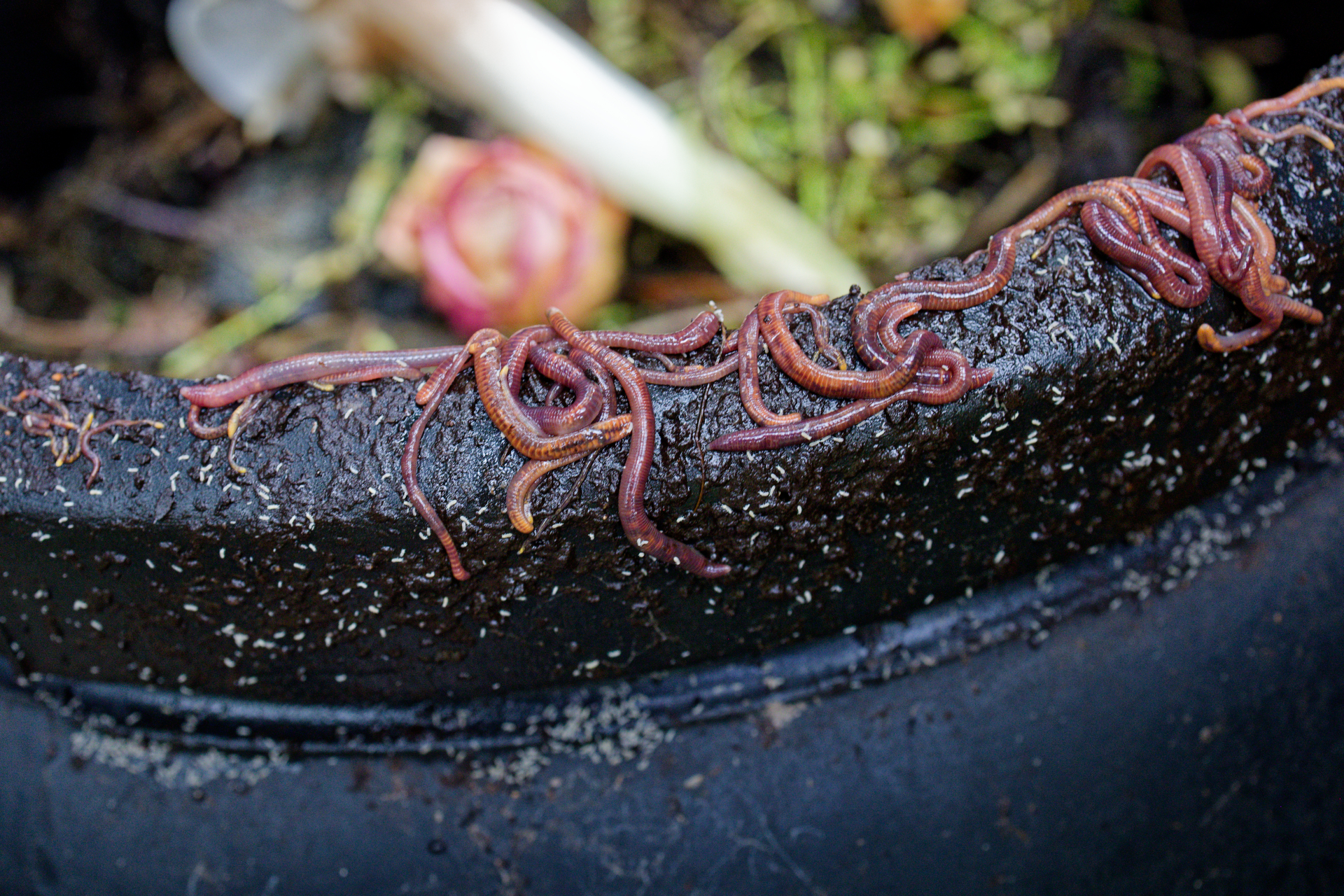
Compost worms in worm farms and earthworms in compost bins can often be seen gathering in large numbers on the surface or inside the lid, seemingly trying to escape. This can be due to impending rainy weather, unfavorable conditions in the compost/worm farm, or the […]
How to Identify and Treat Herbicide Contamination of Commercial Soil, Compost and Manure
Over the last decade, there have been increasing reports from gardeners that their vegetables and flowers have been damaged or killed after adding manure or compost to their gardens, or when they’ve planted into new soil they had delivered. In fact, the problems of contaminated […]
Can You Put Earthworms in the Compost Bin?
In nature, earthworms consume decomposing plant matter, and if a compost pile is constructed, they will often move into it on their own when the plant material is broken down and the compost is completed. When compost materials are piled up, or a compost bin […]
Can You Use Shells for Drainage in Houseplant Pots?
Sea shells should not be used in plant pots because they are made of calcium carbonate (chemical formula CaCO₃), which is exactly the same substance as limestone and garden lime. They will make the potting medium extremely alkaline. Some plants don’t grow well in alkaline […]
How Many Trays to Use When Starting a Worm Farm?
Start with only one tray, it takes a long while to fill a single tray, as the food that’s added disappears in a few days, and the level drops back down. When the food is converted to worm castings, the level in the tray doesn’t […]
How to Improve Drainage in Plant Pots, The Proper Way to Do It!
When growing plants in pots, it’s sometimes necessary to increase drainage because some plants are sensitive to excessive moisture around their root zone, and stagnant water at the bottom of the pot can lead to root rot. The old garden myth of putting a layer […]
What Are the Small Flies in Compost Bins and Are They a Problem?
Many gardeners are familiar with the experience of lifting the lid off a compost bin and seeing a cloud of small flies rise into the air in front of them. These little flies are vinegar flies or drosophila, and the reason why they’re found in […]
Three Simple Soil Tests to Determine What Type of Soil You Have
Healthy plants only grow in healthy soils, and if you know what type of soil you’re working with, you’re better able to improve it to get the best results from your garden. In this article, we’ll discuss what soil is composed of, and show you […]
Is Rabbit Manure Good to Use in the Garden?
Can you use rabbit manure as a fertiliser in the garden? Rabbit manure is an excellent manure to use in the garden. It can be used fresh, has higher nutrient levels than other manures, and does not burn plant roots. It’s an ideal soil conditioner […]
Soil Chemistry Fundamentals, Part 2 – How to Change Soil pH in Organic Gardening
Most plants prefer a neutral soil around pH 6.5 to 7.5, but many will grow favourably in the broader pH range of 5.5 to 8. When soils become too acidic or too alkaline, some essential plant nutrient will become unavailable to plants, negatively impacting plant […]
Soil Chemistry Fundamentals, Part 1 – Understanding Soil pH and How it Affects Plant Nutrient Availability
What is soil pH? How does it affect soil microorganisms and nutrient availability to plants? What is the optimum soil pH for plants? In this article we’ll answer all those questions and more, explaining soil chemistry in a practical way that is useful to gardeners. […]
What Materials Can You Put Into Your Compost Bin and What Not to Compost
Composting is Mother Nature’s ultimate recycling process which converts everything that was once living back into soil. We can compost a lot of organic matter in our homes and gardens, and use it to improve the quality of our soil, rather than toss it out […]
Beginner’s Guide to Vegetable Gardening – Part 2, How to Prepare the Soil
Preparing the Soil for Growing Food The secret to successful food gardening is rich, healthy soil. What goes into the soil goes into the food coming out of it! Plants take mineral nutrients and water from the soil, along with carbon dioxide from the air […]
Should You Put Gravel or Rocks at the Bottom of Plant Pots for Drainage?
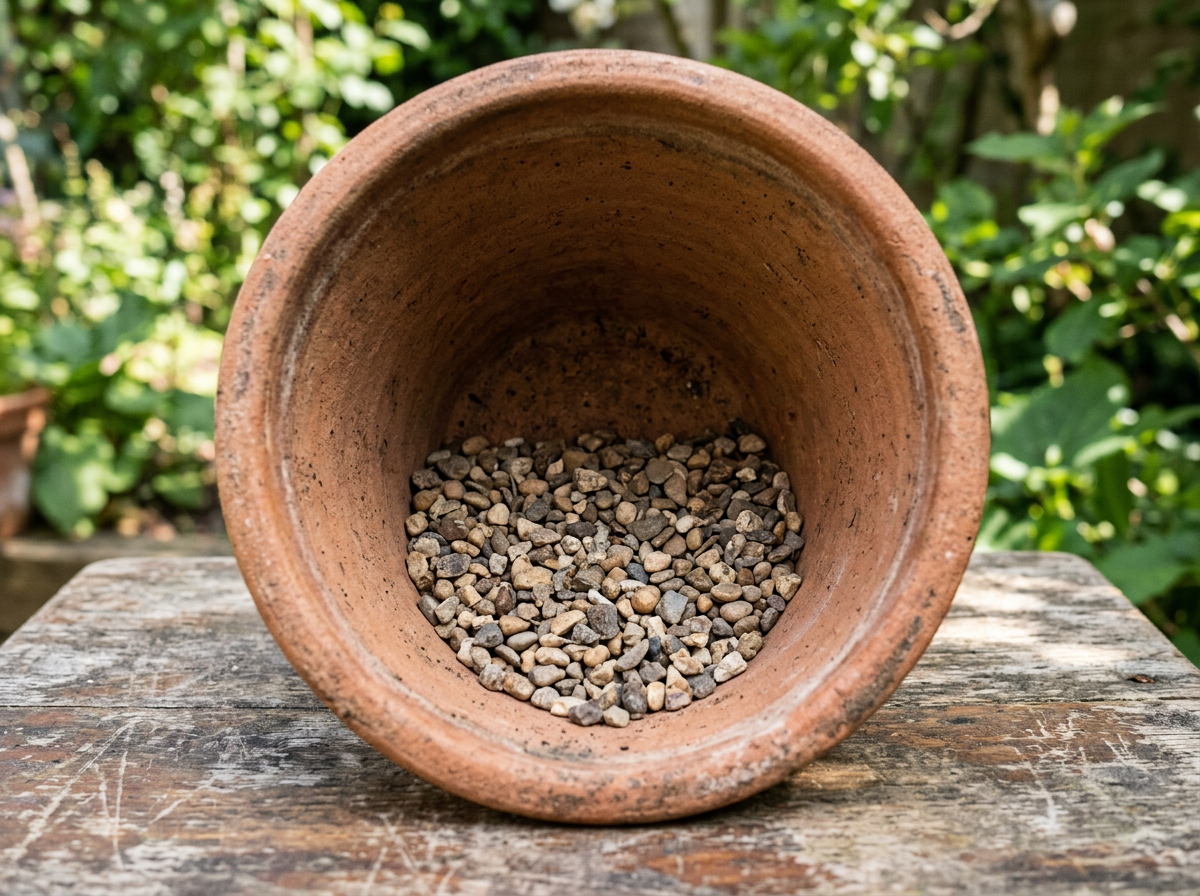
There’s an old gardening myth that it’s best to put a layer of gravel or rocks at the bottom of a plant pot to improve drainage, but how true is it? Can the practice actually harm plants more than help them? The main reason for […]
What is Chop and Drop Gardening (Sheet Composting)?
Permaculture is all about working efficiently and in harmony with Nature. We can garden far more efficiently, with far less effort, and improve the soil at the same time by emulating Nature’s soil building processes through practising Chop and Drop gardening. How do most sustainable […]
Which Garden Mulch is Best for Improving Soil?
Hard woody mulches or soft non-woody straw-like mulches, what’s the difference? They both work equally well as garden mulches to moderate soil temperature, reduce water loss from the soil through evaporation, conserve soil moisture to reduce the need for watering, inhibit weed seed germination and […]
How to Use Seed Raising Mix Correctly
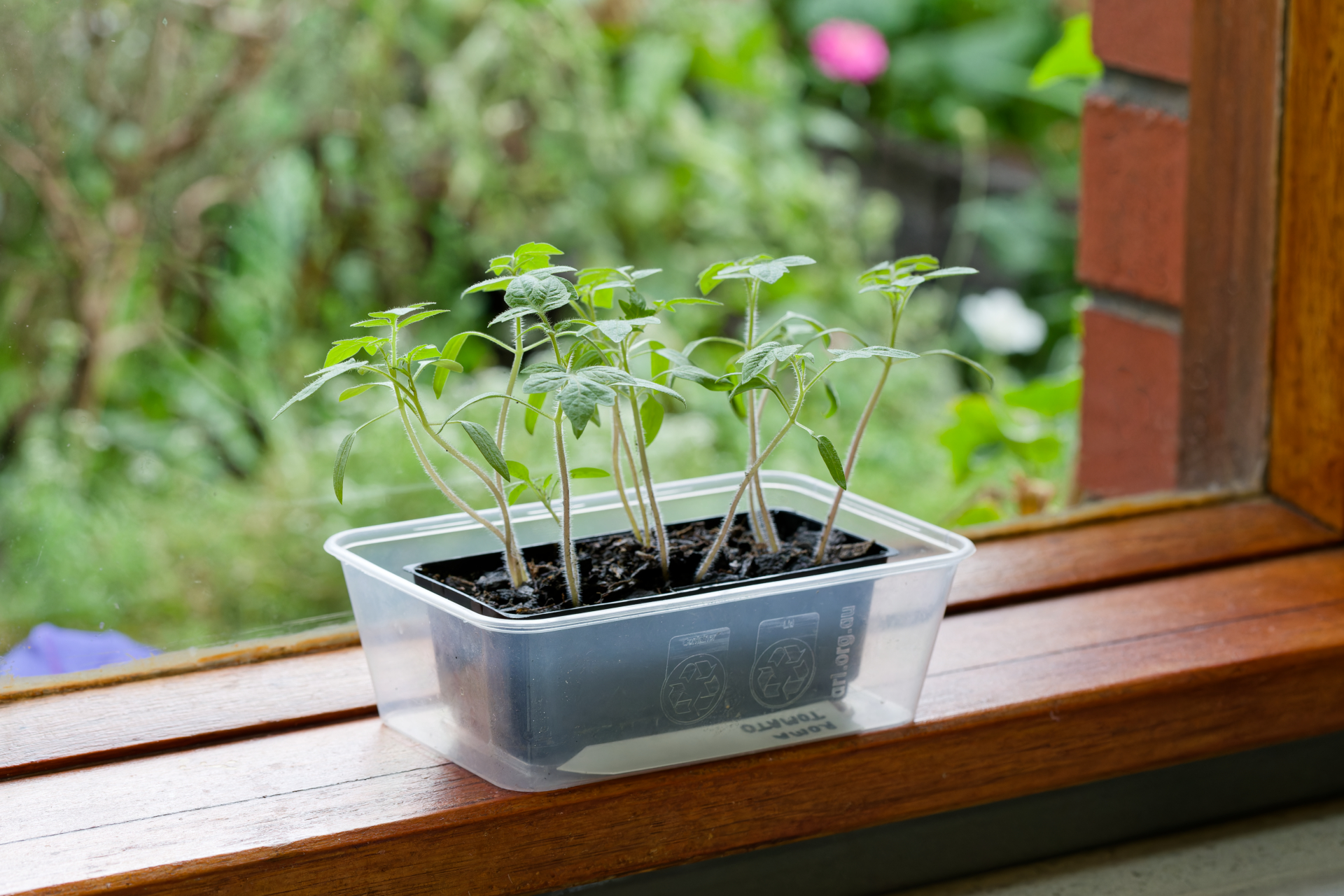
Want to sow seeds in pots? What do you need? Seed raising mix? Guess again! Working part-time in the garden nursery industry, I meet many gardeners who have had problems sowing seeds in seed raising mix – they find that their seeds sprout but their […]
Why You Shouldn’t Use Sales Receipts in Your Compost or Worm Farm
Remember Bisphenol A, also known as BPA, the toxic endocrine-disrupting chemical which leached out of plastic drink bottles that has now been banned worldwide? Well, the bad news is that it’s still around and you have more contact with it than you imagine! Thermal paper […]
Why You Shouldn’t Use Bleached or Glossy Paper in Your Compost or Worm Farm
As gardeners, we often told that we shouldn’t use office photocopying paper or glossy magazines in our worm farms, compost or the garden in general. Many gardeners ask why not? There are very good reasons not to, which we’ll explore in this article! By understanding […]
The Organic Gardener’s Guide to Fertilisers and How to Use Them
The plants in your garden need food just like you do! That might seem obvious but you’ll be surprised how many people never bother to feed their plants and then wonder why they aren’t flowering, fruiting, or growing all that well. Even if you do […]
How to Use a Bokashi Soil Generator to Turn Food Waste into Nutrient-Rich Soil
What do you do with your bokashi bin contents if you don’t have a large garden to dig them into? As discussed in the previous Bokashi Composting article, you can always put the processed bokashi food waste into your compost bin or into your worm […]
Bokashi Composting, How to Process Waste That Can’t Go in Your Compost or Worm Farm
Are you into recycling but are still throwing away some food scraps because you can’t put them in your compost bin or worm farm? Large amounts of citrus and onions, or any food that contains fish and meat should not be put in your worm […]
How to Compost Logs and Branches with a Hugelkultur Bed
Composting allows us to recycle plant materials so they can be re-used in the garden, but the materials need to be broken up into small pieces for the composting process to work efficiently. Traditional composting works fine for for soft green plant matter, twigs and […]
How To Build a Worm Tunnel In-ground Worm Farm
How could composting be made easier? By not ever having to turn the compost and not having to move the compost into your garden, that’s how! You can get Nature to do even more of the work with a Worm Tunnel, an in-ground worm farm […]
The Complete Guide to Worm Farming, Vermicomposting Made Easy
Worm Farms are a great way to recycle kitchen waste and food scraps into one of the best garden fertilizers available! It’s very easy to maintain a worm farm, it takes very little time and effort, and you can set up worm farms in the […]
How to Build a Worm Farm with Polystyrene Foam Broccoli Boxes
If you’re thinking of trying out worm farming but don’t want to go out and buy a worm farm, you can always build your own DIY worm farm instead. Construction is really easy, and only takes a few minutes, and it can all be done […]
No Dig Gardening, Sustainable Gardening With Less Effort
Everyone agrees that gardening would be way more fun, and many people would be more inclined to take up gardening if there wasn’t the need for all that back-breaking hard work such as digging… It may be a surprise to many people, but digging IS […]
How to Make Compost in 18 Days Using the Berkeley Hot Composting Method
Regular composting, also known as cold composting, involves placing a variety of organic materials in a compost bin, enclosure, or even just in a large heap, and leaving it there until it breaks down several months later. It’s a very slow process and typically takes […]